What travelers should know about TSA lines at Orlando International Airport as ICE agents deploy nationally
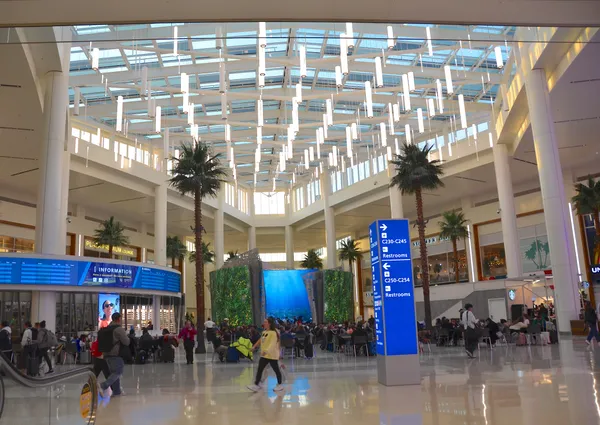
Heightened attention on airport security staffing
Orlando International Airport (MCO) is entering another high-volume travel period as the federal government’s partial Homeland Security shutdown continues and the White House moves to expand the on-site role of immigration enforcement officers at U.S. airports.
President Donald Trump said ICE agents would begin assisting at airports starting Monday, March 23, 2026, framing the move as support for Transportation Security Administration (TSA) operations during staffing strain tied to the shutdown and ongoing pay disruptions. The decision has raised questions among travelers about whether security screening lines could change in speed, procedures, or visibility of law enforcement at checkpoints.
What is known about screening at MCO right now
MCO’s security screening demand varies sharply by day of week, terminal, and hour. Airport planning data for March 2026 show sustained peaks beginning before sunrise and extending through late afternoon, with notable morning surges at the main terminal checkpoints and steady volume at Terminal C.
For travelers, this means a “one-size-fits-all” arrival time can be unreliable on peak days, particularly in early morning windows when departures cluster. Local travel advisories issued during the spring break period urged passengers to build in extra time and to be positioned at the security checkpoint well before departure, reflecting the combined effects of seasonal demand and operational constraints.
ICE deployment: what it does and does not mean for TSA lines
TSA remains the agency responsible for passenger screening. The announced deployment involves ICE personnel providing operational support in airports during the shutdown-driven staffing crunch, rather than transferring screening authority away from TSA.
Even so, travelers may notice changes in the airport environment that can influence perceived wait times and checkpoint flow, including:
- More uniformed federal personnel in and around screening areas
- Additional document checks, queue management, or support roles adjacent to TSA functions
- Shifts in how airports handle crowd control during rush periods
For passengers, the practical impact is likely to be felt less in the screening rules themselves and more in staffing, lane availability, and queue management during peak waves.
How travelers can plan based on verified checkpoint patterns
MCO’s March security-demand profile indicates that the busiest periods frequently occur in the morning and mid-to-late afternoon, depending on the terminal and concourse. Terminal B and the Gates 70–129 checkpoint show particularly heavy throughput during several daytime hours, while Terminal C maintains consistent volume across a broad span of the day.
Passengers flying out of MCO should plan for variability, especially during weeks with heavy leisure travel. Travelers with early flights, families, and those checking bags should account for both airline processing time and screening time, and should be prepared for longer lines if lane availability is reduced.
What to watch in the days ahead
Operational conditions can change quickly under a prolonged shutdown, particularly if staffing levels fluctuate. Travelers should monitor their airline for check-in and boarding guidance and be prepared for fluctuating wait times depending on time of day and checkpoint location.
Monday, March 23, 2026—the first day of the ICE deployment plan—will be a key test for how quickly additional personnel can be integrated into airport operations and whether travelers at major hubs see measurable improvements in screening throughput.