Waymo’s driverless taxi testing in Orlando could shift to paid rides as early as March
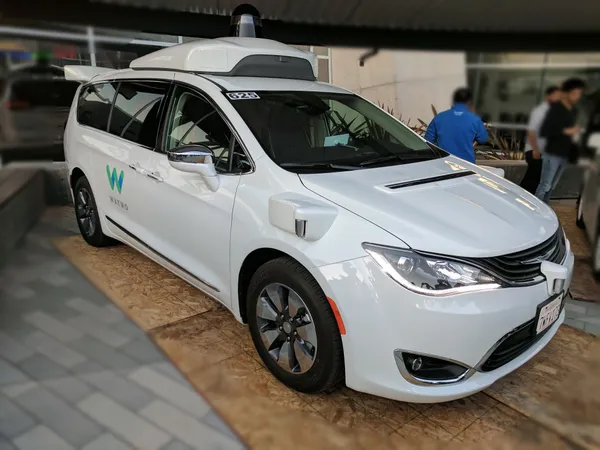
Autonomous vehicles already visible on Orlando streets
Driverless vehicles operated by Waymo have been conducting on-road testing in Orlando in recent weeks, signaling that the company is moving toward a commercial launch in Central Florida. Orlando officials have confirmed the vehicles are in active testing, and a start for full commercial service has been described as possible as early as March, depending on readiness milestones.
Residents have reported and local observers have documented Waymo vehicles traveling on major corridors, including South John Young Parkway. Waymo’s rider-facing service listings also indicate Orlando as “coming soon,” reflecting a transition from behind-the-scenes preparation to a market nearing public availability.
Orlando is part of a broader 2025–2026 expansion wave
Waymo’s Orlando preparations align with a wider expansion strategy that has accelerated over the past year, as the company scales operations beyond its established markets. The company has been building toward adding new U.S. cities by first running vehicles in a testing phase—often with structured validation steps—before opening service to riders.
Across the United States, Waymo has been operating paid, fully autonomous ride-hailing at scale in multiple major metros and has reported weekly paid trip volumes in the hundreds of thousands. Expansion has also involved partnerships that separate responsibilities: Waymo retains control over the autonomous driving system while fleet operations in some markets are handled through partners.
What “commercial service” typically means for riders
In cities where Waymo has already launched, commercial service generally means members of the public can request rides through an app, with no human driver in the vehicle. Rollouts commonly begin with limited service areas and gradually expand as the operator adds vehicles, charging capacity, and operational support.
Geography: Service often starts in defined zones rather than covering an entire metro area immediately.
Availability: Hours of operation and ride availability are typically expanded over time as fleet capacity increases.
Operations and support: Even with no driver onboard, companies maintain rider support and may use remote assistance in certain scenarios.
Local implications: public awareness, emergency calls, and roadway interaction
Orlando officials have emphasized a practical concern that has surfaced in other early robotaxi markets: members of the public may see an empty driver’s seat and assume a vehicle is malfunctioning, leading to avoidable emergency calls. City leadership has urged residents not to treat the presence of a driverless vehicle as an automatic cause for alarm, while acknowledging that public understanding will be a key factor as autonomous vehicles become more common on local roads.
With driverless vehicles, a visible absence of a human operator can create confusion; early rollouts in U.S. cities have shown that public education and clear procedures reduce unnecessary 911 calls.
What remains unresolved ahead of a launch window
While a March start has been floated as a possibility, a firm launch date and initial operating footprint for Orlando have not been publicly finalized. Key unknowns include the boundaries of any initial service zone, the size of the first deployed fleet, and whether the earliest phase will be open broadly or staged through limited rider access.
For Orlando-area riders, the next milestone to watch is a clear announcement of launch timing, service geography, and how to access rides once the system transitions from testing to paid public operation.