Waymo Opens Limited Self-Driving Rideshare Service in Orlando, Expanding Robotaxi Operations Across Florida and Texas
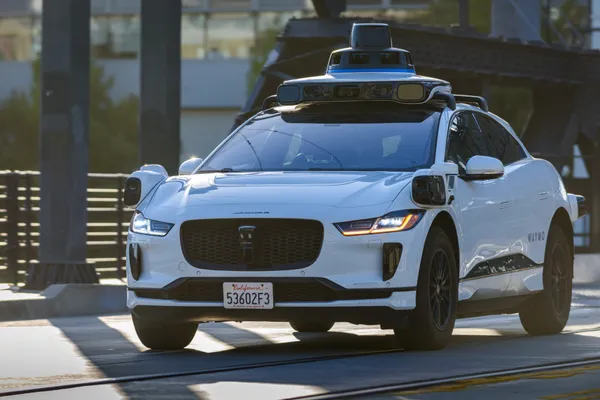
Driverless ride-hailing begins with invitations to early users
Waymo has begun offering fully autonomous ride-hailing trips in Orlando, marking the company’s latest expansion of commercial robotaxi operations. The rollout started Tuesday, Feb. 24, 2026, with invitations sent to a subset of people who previously downloaded the Waymo app. The company said invitations will continue on a rolling basis, with broader availability planned later in 2026.
The Orlando launch is part of a multi-city expansion announced the same day that also includes Dallas, Houston and San Antonio. With these additions, Waymo said it now operates commercial autonomous ride-hailing in 10 U.S. metropolitan areas.
How the service works and what riders should expect
Waymo’s service uses vehicles operating without a human driver in the front seat. Riders request trips through the Waymo app, with access controlled during the initial phase through invitations. Waymo has described its early stage as a scaling period intended to maintain consistent wait times, rider support and operational reliability as fleets grow.
The vehicles deployed for Waymo’s ride-hailing operations have commonly been Jaguar I-Pace electric SUVs equipped with an array of onboard sensors, including lidar, radar and multiple cameras, paired with autonomous driving software designed to handle city traffic.
Local context: Orlando’s transportation and tourism demands
Orlando’s mix of dense visitor corridors, large event traffic, and daily commuter flows creates a different operating environment than Waymo’s longest-running markets in the West. The company has positioned the service as an additional mobility option for residents and visitors, while Orlando officials have framed the arrival as aligned with the city’s broader interest in technology-led transportation initiatives.
Regulatory backdrop in Florida
Florida law permits fully autonomous vehicles to operate without a licensed human driver physically present in the vehicle, and it treats the automated driving system as the operator when the system is engaged. State statutes also outline technical and operational expectations, including requirements tied to compliance with traffic laws and the ability to reach a “minimal risk condition” in the event of a system failure.
In Tallahassee, proposed legislation introduced for the 2026 session would modify elements of autonomous-vehicle safety requirements. As of mid-January 2026, the bill remained in the committee process.
Safety record claims and ongoing scrutiny
Waymo has reported that its driverless operations have accumulated hundreds of millions of autonomous miles and that its internal analyses show reduced crash rates compared with human driving benchmarks in its operating areas.
At the same time, the company has faced heightened attention from federal safety authorities following a series of incidents in Austin, Texas, involving autonomous vehicles improperly passing stopped school buses. Federal investigations and related company actions have focused on how autonomous systems detect and respond to school-bus stop signals and loading zones.
Key points for Orlando riders and policymakers
- Service is live as of Feb. 24, 2026, but access is limited to invited users.
- Availability is expected to broaden later in 2026 as fleets scale.
- Florida’s legal framework allows fully driverless commercial operation, while additional proposals are under consideration in the 2026 session.
- Safety performance will remain a central metric as Orlando operations expand, particularly amid ongoing federal scrutiny tied to incidents in other markets.
Waymo’s Orlando entry adds a new test case for large-scale driverless ride-hailing in a tourism-heavy U.S. city, with expansion plans dependent on operational performance, fleet growth, and evolving regulatory expectations.