UCF Towers residents temporarily displaced after freezing temperatures disrupted chilled water and air conditioning systems
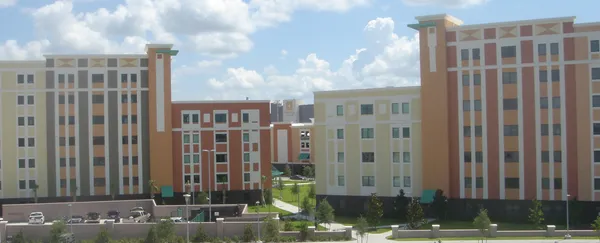
Cold snap triggers temporary relocation at on-campus Towers community
Students living in the Towers community at the University of Central Florida were temporarily displaced Sunday after freezing temperatures disrupted building systems serving multiple residence halls. The incident unfolded as Central Florida experienced an unusually cold overnight period that brought temperatures near or below freezing in the Orlando area.
University officials said the freezing conditions affected the chilled water system that supports climate control at the Towers community, located on Plaza Drive. In three of the four Towers buildings, a malfunction led air-conditioning units to recycle outdoor freezing air into interior spaces, creating conditions that required an immediate response from facilities teams.
Timeline: disruption, assessment, and reopening
Saturday night into Sunday morning: Freezing temperatures were reported in the Orlando area as the coldest conditions arrived overnight.
Sunday afternoon: Residents in the affected buildings were temporarily displaced while crews assessed the buildings and worked to restore services.
Later Sunday: The university reported that the buildings had reopened after crews addressed the immediate issue.
What is known about the affected buildings and systems
The disruption centered on the Towers community’s chilled water system and related air-handling operations. University statements identified Towers 1, 3 and 4 as the buildings where air-conditioning units were recycling freezing outdoor air. Residents were moved out temporarily while personnel evaluated the surrounding buildings and worked to stabilize conditions.
The university framed the temporary relocation as a safety and operational measure to allow assessment and restoration work to proceed as quickly and safely as possible.
Student support and housing operations
University Housing and Residence Life staff coordinate operational responses to building emergencies and urgent maintenance issues. In residence halls, rapid relocation decisions are typically used to protect student safety and to provide staff access needed for inspections and repairs. In this case, the university indicated that support and updates were provided during the disruption and that the priority remained student well-being.
Context: rare freezes can strain building infrastructure in Central Florida
Central Florida periodically experiences short, intense cold snaps that can stress systems designed primarily for hot and humid conditions. When temperatures drop quickly and remain low overnight, building mechanical systems and air-handling configurations can behave differently than under typical operating conditions, increasing the likelihood of malfunctions that require on-site intervention.
The university said residents were temporarily displaced so teams could assess surrounding buildings and restore services as quickly and safely as possible.
What remains unclear
The university did not publicly specify how many residents were displaced, the exact duration of individual relocations within the reopening window, or whether any rooms sustained damage requiring longer-term repairs. No injuries were reported in the university’s statements released Sunday.
Officials have indicated the situation was actively managed by campus crews, with services restored sufficiently for the buildings to reopen later the same day.