Toucan Spotted Along Conroy Windermere Road Raises Questions About Exotic Pets and Wildlife Reporting
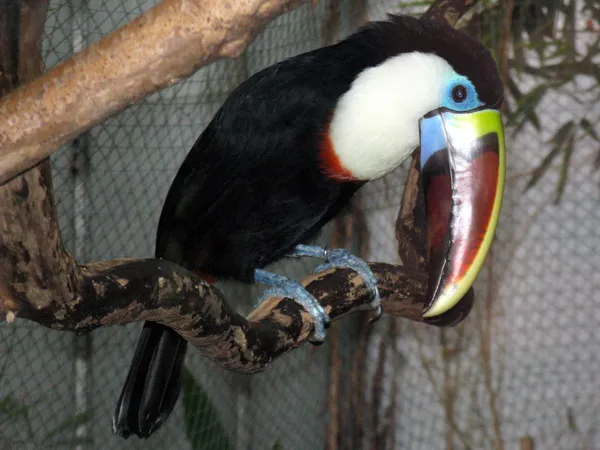
A tropical bird in a suburban corridor
A toucan was spotted outside a business along Conroy Windermere Road near the Hiawassee Road area on Wednesday, March 4, 2026, prompting a flurry of attention from nearby workers and passersby. Videos taken at the scene captured the bird perched outdoors in a setting far from the rainforest habitats where toucans are typically found.
Wildlife officials have not publicly confirmed the bird’s origin, and no verified information has been released indicating whether it escaped from a private owner, a permitted facility, or another setting. The species involved has also not been officially identified from the publicly available footage.
Why a toucan would be unusual in Central Florida
Toucans are native to the Neotropics, broadly spanning parts of Mexico, Central America, and South America. Florida’s climate can support many nonnative animals, but toucans are not native to the state. When such animals appear outside captivity, the immediate questions typically involve whether the animal is lost, escaped, or intentionally released.
While some exotic birds can survive for periods in urban and suburban landscapes, long-term survival can depend on access to appropriate food, shelter, and protection from stressors that include traffic, predators, and weather variability. In addition, a loose exotic bird may attract well-meaning attempts to approach or feed it, which can complicate safe recovery.
What residents can do if they see the bird again
Florida maintains a statewide system for collecting reports of nonnative wildlife sightings. Officials generally emphasize that reports are most useful when they include specific details that allow for verification and follow-up.
- A clear photo that can be enlarged for identification
- Precise location information (GPS coordinates if possible, or a street address and description)
- The date and time of the sighting
Reports can be submitted through the IveGot1 mobile app or through the IveGot1 website. The Florida Fish and Wildlife Conservation Commission also operates an Invasive Species Hotline at 888-483-4681 for nonnative wildlife reporting.
Part of a broader pattern of exotic animals turning up in cities
The Orlando-area sighting comes amid recurring episodes in the U.S. in which exotic birds appear outside captivity and draw public attention. In late February 2026, a toucan that had been flying around Las Vegas for months was captured after it entered a residential garage, highlighting both the difficulty of recovering exotic birds and the role that timely, accurate public reports can play.
For residents who encounter the Orlando-area bird, wildlife guidance generally centers on documenting the sighting and reporting it promptly rather than attempting to capture it.
As of March 4, 2026, there has been no confirmed public update indicating whether the toucan seen near Conroy Windermere Road has been recovered.