SeaWorld Orlando Treats 16 Cold-Stunned Sea Turtles as Winter Waters Trigger Regional Wildlife Rescues
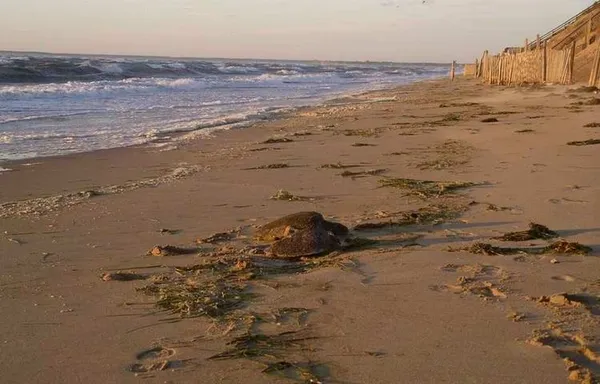
Emergency turtle admissions amid a winter cold-stress pattern
SeaWorld Orlando has taken in 16 sea turtles for emergency veterinary care after the animals were found cold-stunned, a condition that can occur when water temperatures drop sharply and reptiles lose the ability to swim, dive, and feed normally. The turtles were transported to the park’s rescue and rehabilitation operation, where teams use temperature-controlled pools, diagnostic workups, and supportive medical treatment to stabilize patients and prevent secondary complications such as dehydration, infection, and pneumonia.
Cold stunning is a hypothermic response: when sea turtles remain in chilly water long enough, their metabolism slows and their reflexes diminish, leaving them lethargic and vulnerable at the surface or stranded along shorelines. Wildlife responders typically advise the public not to push or tow debilitated turtles back into the ocean, because untreated cold-stunned animals can quickly deteriorate once re-exposed to low temperatures.
How the rehabilitation process typically works
Sea turtle rehabilitation programs generally begin with triage and gradual warming, because rapid temperature changes can worsen shock. Once stabilized, patients may receive fluids, nutritional support, and antibiotics when clinically indicated, followed by monitoring of respiration and blood chemistry and assessment for injuries that can accompany stranding events.
Triage: initial exams, warming protocols, and baseline diagnostics.
Critical care: fluids, assisted feeding when needed, and treatment for infections or respiratory issues.
Recovery: swimming strength and normal behavior are evaluated before release is considered.
Cold-stunned sea turtles can appear unresponsive, but prompt medical care and controlled warming can be lifesaving.
Part of a broader Florida and Gulf Coast response
The admissions in Orlando come as multiple rehabilitation centers in Florida and along the Gulf Coast have reported winter surges in cold-stressed turtles during recent seasons. Facilities on Florida’s east coast and central corridor have described periods when capacity tightens due to clusters of strandings tied to prolonged cold snaps. Similar mass rescue efforts have also been documented in other coastal states when water temperatures fall into ranges that overwhelm turtles’ ability to thermoregulate.
SeaWorld’s Orlando facility has a documented history of handling large cold-stunning events, including a major winter response in 2010 when hundreds of cold-stunned turtles were rehabilitated there. In recent years, the region’s response has increasingly depended on coordination among beach patrols, county marine science programs, state wildlife managers, and specialized hospitals that can accept transfers for longer-term recovery.
What happens next
Release decisions are typically based on medical stability, restored buoyancy control and swimming ability, and a return of safe ocean temperatures. While timelines vary by species and severity, cold-stunned turtles often require weeks to months of care before they can be returned to the wild under permitted release protocols.