Rowena Park residents report more coyotes after chihuahua attack, prompting wildlife visit and safety reminders
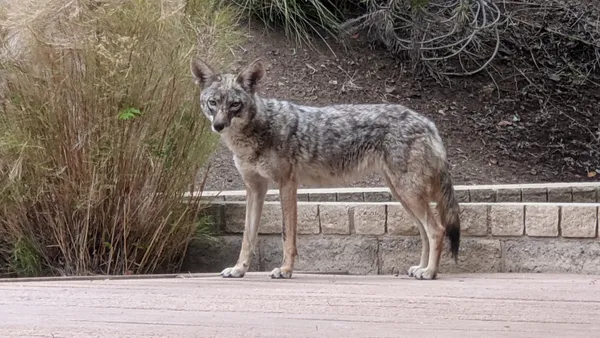
Residents report close-range encounters in a neighborhood near Mills 50
Residents of Orlando’s Rowena Park neighborhood are reporting an apparent uptick in coyote sightings after a small dog was attacked late last week, intensifying concerns about pet safety and the animals’ increasing comfort in residential areas.
The incident involved a 3-year-old, seven-pound chihuahua that was attacked near a lake after leaving a fenced portion of a yard. The dog was taken to a veterinary clinic for treatment and is reported to be recovering.
Neighbors also reported a separate recent incident involving a pet cat that was believed to have been killed in the same area. Residents have shared video showing a coyote walking along a neighborhood street, adding to worries about repeated sightings close to homes.
State wildlife officials assessed conditions after reports of pet attacks
Following the reports, personnel from the Florida Fish and Wildlife Conservation Commission visited the neighborhood over the weekend. A biologist was sent to assess the situation and evaluate conditions that may be contributing to coyote activity near homes.
Coyotes are widely established across Florida, including urban and suburban settings where food sources and shelter can be readily available. Wildlife guidance provided to residents emphasizes that coyotes can prey on domestic cats and small dogs, with pet attacks more likely around dawn, dusk, and at night.
What residents are being told to do now
Public guidance shared with the community focuses on reducing attractants and changing routine pet practices, especially during low-light hours. Recommended steps include:
- Keep cats indoors and do not allow pets to roam freely.
- Walk small dogs on a short leash and avoid wooded edges and heavy foliage at dawn and dusk.
- Do not leave pet food outdoors and secure garbage to limit food access.
- Use deterrents such as motion-activated sprinklers, audible alarms, and other hazing techniques when safe to do so.
Reports in the neighborhood describe coyotes moving along streets and appearing less wary of people, a pattern wildlife managers typically associate with access to food or repeated exposure to human activity.
Jurisdiction and next steps
In Florida, coyotes are not regulated as a game species, and routine removal in response to sightings is not typically treated as an agency response. Wildlife officials generally advise residents to focus on prevention, report unusual behavior, and address attractants that can draw coyotes into yards and streets.
Rowena Park residents say they want clearer communication about reporting, enforcement related to feeding wildlife, and consistent neighborhood-level strategies to reduce conflict. With the area’s proximity to lakes and green space, residents are now being urged to treat coyote activity as a persistent risk factor rather than an isolated event, adjusting pet routines accordingly while officials monitor conditions.