Orlando Police seek expansion of drone response program with 11 units and new operating system
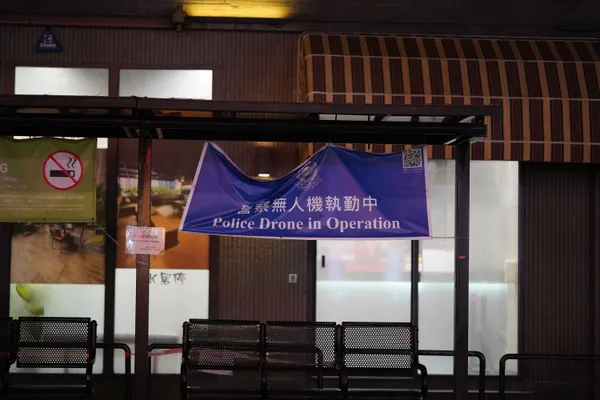
A proposed “drone as first responder” model
Orlando police leaders are moving to expand a drone program designed to put live aerial video over certain 911 calls within minutes, before patrol units arrive. City records describe a plan to purchase 11 docked drones integrated into the police department’s real-time operations, with deployments managed from the agency’s crime center.
The proposal is structured as an amendment to the city’s existing technology relationship with Axon Enterprises and centers on Skydio drone hardware and related software. The program’s stated operational target is to place a drone over qualifying incidents in under three minutes, supporting patrol supervisors and responding officers with a live view of a scene.
Costs, contract term, and what is included
Financial documents associated with the proposal put the program at $6.83 million over eight years, or about $759,322 per year on average. The contract structure described in city materials includes an initial four-year term and renewal options that could extend the arrangement further.
Program components described in the materials include dock systems, command-and-control software, training and commissioning, maintenance support, and sensors such as thermal imaging. The scope is designed around rapid launches from fixed locations rather than ad-hoc flights staged from patrol vehicles.
What the pilot data shows so far
The expansion request follows a limited trial run at police headquarters that tested the core concept: a docked drone dispatched to calls for service. Trial results provided to the city show the drone was deployed to 185 calls during a seven-week period, arrived before officers roughly one-third of the time, and produced information assessed by the department as useful in the large majority of those deployments.
City documents characterize the pilot as a proof-of-concept for faster scene awareness—particularly in the early moments of incidents that may evolve rapidly, such as disturbances, reported weapons calls, or other high-priority events.
Operational limits and regulatory requirements
Public-safety drone programs operate within Federal Aviation Administration rules governing small unmanned aircraft systems, including requirements tied to pilot certification, operating at night, and operations over people and moving vehicles. Agencies typically build “drone as first responder” programs around specific authorizations, training, and standardized flight procedures to meet federal aviation and safety rules.
Policy questions likely to shape local debate
As Orlando considers expanding the program, the policy discussion is expected to focus on how drones are dispatched, what incidents qualify, and how recorded video is stored, accessed, and retained. Other recurring issues in comparable programs include community notification, auditing of deployments, and mechanisms to prevent drones from being used outside approved public-safety purposes.
- Planned fleet size: 11 docked drones
- Program goal: under three minutes to reach select 911 calls
- Estimated cost: $6.83 million over eight years
- Pilot reference point: 185 calls over seven weeks
The program is designed to deliver live aerial video to police decision-makers before officers arrive, with launches managed from a central operations hub.