Orlando moves toward a $5 million homelessness funding package as unsheltered population pressures grow downtown
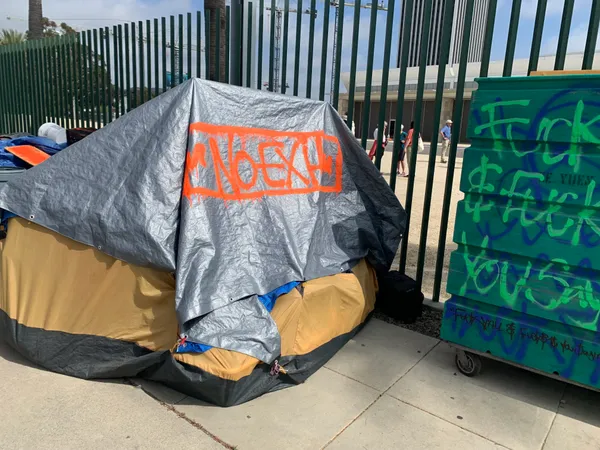
A new funding commitment takes shape as outreach and shelter capacity remain central challenges
The City of Orlando is moving toward a $5 million funding commitment aimed at strengthening homelessness response efforts, as officials continue to confront growth in the unsheltered population concentrated in the city’s urban core. The proposed funding is expected to flow through partnerships with local nonprofit providers that deliver shelter, street outreach, day services and case management—services that local leaders describe as necessary to connect people living outdoors with housing and stabilization options.
Orlando’s approach is built on a mix of direct city investments and coordination within the region’s broader homelessness response system. City budget and policy materials show Orlando already allocates nearly $4.5 million annually to partner agencies supporting emergency shelter, bridge and permanent supportive housing, and related services. The additional $5 million would represent a significant one-time expansion beyond the city’s recurring support level, depending on final approvals and program design.
Recent policy direction emphasizes “services-first” strategies and measurable goals
City planning documents adopted in recent years set explicit targets for reducing unsheltered homelessness. One city action plan framework identifies a goal of cutting the visible unsheltered presence by half by 2027, alongside commitments focused on preventing children from sleeping outdoors and strengthening coordination for people living in public spaces.
In parallel, Orlando has pursued capital investments to increase service capacity. Recent city initiatives have included funding for a renovated comprehensive day services campus at the Christian Service Center and planning for a redeveloped Coalition for the Homeless campus with expanded shelter and bridge-housing capacity for women, children and families.
Shelter expansion proposals highlight gaps in “low-barrier” options
One of the most substantial recent proposals tied to homelessness response has been a plan to invest $7.5 million to establish a 24/7 “Open Access” shelter designed to accommodate up to 250 people with minimal entry requirements. The concept emphasizes immediate indoor placement paired with employment assistance, health care connections and counseling—an operational model often used to reduce barriers for people who may not qualify for, or avoid, traditional shelter settings.
Local data show volatility in the size of the unhoused population and the scale of need
Homelessness estimates in Orange County vary by year and methodology, but recent public reporting has pointed to elevated demand and operational strain. Orlando’s own materials cite 759 unsheltered people in Orange County in January 2024, with more than half located downtown and representing a year-over-year increase. Separate regional reporting for 2025 described 1,972 people experiencing homelessness in Orange County, including 746 who were unsheltered.
- Current city support includes recurring annual funding to partner agencies for shelter, housing and supportive services.
- Major capital projects and shelter concepts have been positioned as capacity-building measures for daytime and overnight needs.
- Planned investments are increasingly tied to defined reduction targets and coordinated public-space outreach strategies.
Orlando’s pending $5 million commitment would be evaluated against an existing portfolio of annual operating support and recent one-time facility investments, with effectiveness likely to depend on execution, provider capacity, and available pathways into permanent housing.
City leaders are expected to outline specific allocations, timelines and performance expectations as the funding moves through the budget and approval process.