Orlando International Airport Prepares for Record 2026 Spring Break Crowds and Peak-Day Passenger Surge
Record projections converge with national spring travel pressures
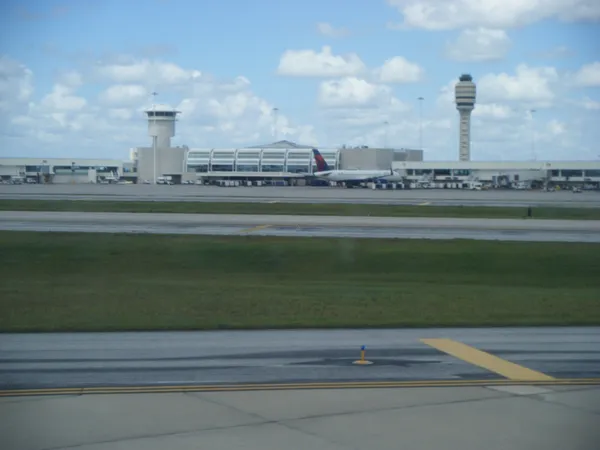
Orlando International Airport (MCO) is preparing for a record spring break season in 2026, with airport planners projecting a peak day that could exceed 200,000 passengers moving through the terminal complex. The forecast would place MCO among the busiest U.S. airports during the March travel rush, a period driven by staggered school breaks, high leisure demand for Central Florida, and heavy weekend turnover in hotel and rental-car markets.
Operational planning at large hubs typically focuses on “pinch points” rather than runway capacity alone: curbside congestion, parking availability, rental-car returns, airline bag-drop queues, and security screening throughput. Those constraints become more visible during spring break, when passenger flows often rise quickly in short windows and are less predictable than holiday travel peaks that concentrate around fixed dates.
What the numbers suggest about the busiest days
Forecasts circulating among airport and aviation planning materials indicate that the heaviest demand will cluster around mid-March weekends, when arrivals and departures overlap across multiple school calendars. A projected Sunday peak around March 15, 2026 has been identified as a potential single-day high point. If realized, that level would exceed prior spring break benchmarks and would test the airport’s ability to keep passengers moving efficiently across multiple terminals and checkpoints.
Recent years provide context for why MCO is treating spring break as a record-risk period. The airport has previously posted spring break surges and record days for departing passengers, reflecting both Central Florida’s tourism draw and the region’s continued air-service growth.
Security screening is the central operational variable
Nationally, spring break 2026 has coincided with reports of longer-than-normal security lines at several U.S. airports, tied to staffing disruptions and fluctuating checkpoint operations. For MCO, security screening is the most time-sensitive stage for travelers because delays can compound rapidly when flight banks depart in concentrated bursts.
Airports and airlines typically respond by adjusting staffing where possible, managing queue space, and pushing passengers toward earlier arrivals. In practice, travelers face the greatest risk of missed flights when they underestimate total processing time from roadway entry to the gate.
What travelers can do to reduce delays
Build extra time for the full path: roadway traffic, parking, rental-car return, bag drop, and security screening.
Check flight status and airline check-in requirements before leaving for the airport, particularly when weather or operational constraints emerge.
Use designated waiting areas for passenger pick-up rather than circling terminal roadways when curbside congestion is high.
Pack to minimize secondary screening risk and keep essential documents accessible through the checkpoint.
Spring break at MCO is not just a volume story; it is a timing story, with sharp spikes on specific days that can strain curbside access, parking, and screening capacity.
MCO’s 2026 spring break outlook underscores a broader reality for major leisure gateways: record passenger demand is increasingly normal, but the passenger experience depends on how well the system absorbs short-duration surges—especially on the busiest weekend days.