Orlando International Airport Ground Stop Ordered After Fire Alarm Prompts Air Traffic Control Tower Evacuation
What happened and why flights were halted
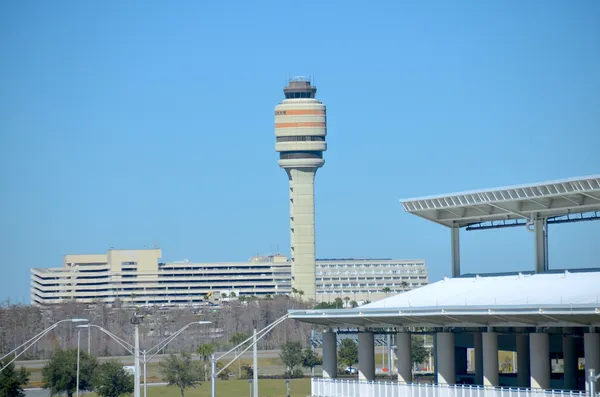
A federal ground stop briefly interrupted operations at Orlando International Airport (MCO) on Sunday, February 1, 2026, after a fire alarm led to the evacuation of the airport’s air traffic control tower. The ground stop is a safety action used to pause aircraft movements while an operational or safety concern is assessed.
Federal aviation advisories described the situation as a “possible fire,” noting that the tower was evacuating. Early reports did not identify a confirmed fire location, the cause of the alarm, or whether any damage occurred.
How a tower evacuation affects airport operations
Air traffic control towers manage takeoffs, landings, runway crossings, and other aircraft movements in the immediate airport area. When a tower must be evacuated, normal sequencing of aircraft can be disrupted. In those circumstances, aviation authorities may restrict departures and arrivals until staffing and facilities are confirmed safe and able to manage traffic.
At Orlando International, the ground stop was issued during the afternoon, with federal advisories indicating an initial expected end time of 4:15 p.m. However, such restrictions can be shortened or extended depending on how quickly the underlying issue is resolved and how soon controllers can safely resume normal operations.
Passenger impact: delays, cancellations, and congestion risks
Even when a ground stop lasts a limited period, ripple effects can persist. Aircraft already en route may be slowed or held, and flights waiting to depart may remain at gates longer than scheduled. That can produce additional delays as airlines reposition aircraft and crews, and as the airport works through a backlog of departures and arrivals.
- Departures may be delayed because aircraft cannot be released safely into the local airspace at normal rates.
- Arrivals may be slowed, creating congestion on ramps and at gates if inbound aircraft cannot park as planned.
- Airlines may cancel select flights if delays cascade into crew duty-time limits or aircraft scheduling constraints.
What remains unknown as the situation develops
As of Sunday afternoon, officials had not provided details on what triggered the fire alarm, whether smoke or fire was observed, or what inspections were underway. No injuries were reported in the initial updates tied to the evacuation and ground stop.
Operational restrictions such as ground stops are typically lifted only after controllers can safely return to duty and airport systems supporting air traffic operations are confirmed functional.
What travelers should do
Passengers traveling through MCO on February 1 should check their flight status directly with their airline, monitor gate information closely, and plan for longer-than-normal wait times for boarding, baggage delivery, and rebooking if disruptions continue into the evening.