Orlando faces windy Saturday conditions as recent brush fires highlight heightened wildfire risk in Central Florida
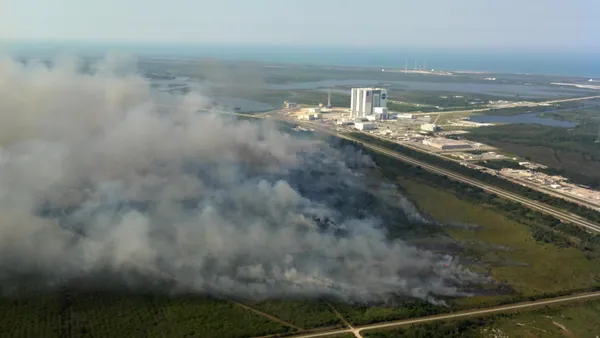
Wind, spotty showers and dry fuels set the backdrop for Saturday
Orlando is forecast to turn windier on Saturday, March 28, with variable cloudiness and only spotty shower chances. The combination matters because Central Florida remains in the part of the year when vegetation can dry quickly between rain events, raising the likelihood that small ignitions spread faster than they would during wetter months.
While the expected showers may help in isolated areas, intermittent rain does not necessarily reduce wildfire potential across the region as a whole. In fire-prone landscapes, wind can rapidly push flames through grasses and brush, complicating containment efforts and increasing the chance of drifting smoke affecting nearby roadways and neighborhoods.
Brush fires this season have already tested local response capacity
Recent incidents underscore how quickly conditions can escalate. On Feb. 25, a brush fire burned about 1.5 acres near homes in an Orange County subdivision west of Orlando, drawing a coordinated response that included heavy equipment used to establish control lines. Earlier, on Feb. 23, a brush fire in Orlando grew significantly during the morning hours, prompting active containment operations as conditions supported fire spread.
These events did not produce broad structural losses in the immediate Orlando area, but they illustrate recurring operational challenges: rapid initial growth, the need for fast perimeter control, and the potential for smoke impacts during commute hours.
Why wind is a key variable for both fire behavior and public safety
Wind increases wildfire risk in two main ways: it supplies oxygen that intensifies flames and it pushes embers ahead of the main fire line, creating spot fires that can jump roads or natural breaks. Even when overall temperatures are not extreme, gusty conditions can turn a manageable brush fire into a multi-agency incident, particularly where fine fuels are continuous and humidity drops during the afternoon.
Wind also elevates secondary hazards, including reduced visibility from smoke on major corridors and potential disruptions for outdoor activities. In Central Florida, smoke can travel miles from the fire source, and shifting wind directions can change which communities are affected with little notice.
What residents can do ahead of Saturday’s breezy conditions
- Follow local burn restrictions and avoid outdoor burning, including yard debris and recreational fires.
- Secure trailer chains and other metal components that can spark when dragged on pavement.
- If smoke is present, drive with headlights on and be prepared for sudden visibility drops, especially near wooded edges and open fields.
- Residents near brushy or undeveloped areas should keep yards clear of dry, easily ignited debris and ensure access routes remain unobstructed for emergency vehicles.
As Saturday’s winds increase, officials typically urge residents to treat small flames and discarded heat sources as potential wildfire starters, particularly where vegetation has dried between scattered showers.
The forecast does not guarantee a wildfire, but the pattern—breezier conditions during a historically active season—keeps attention on prevention and rapid reporting of smoke or fire starts.