How Florida alligators respond to cold snaps: brumation, basking behavior, and survival adaptations in winter
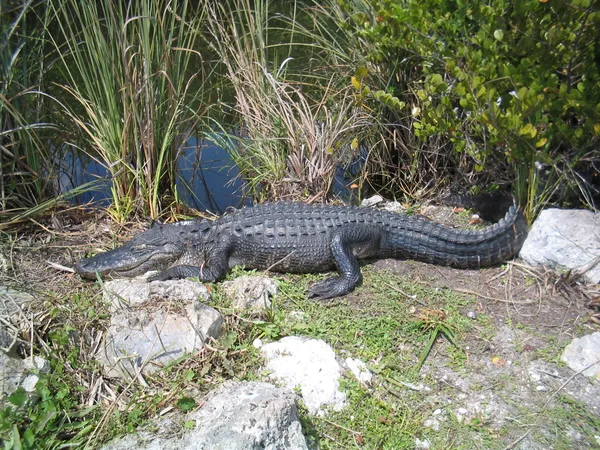
Cold fronts can temporarily change alligator behavior across Central Florida
Cold weather can look unusual in alligator country: animals that are typically active along shorelines may suddenly appear motionless, clustered in shallow areas, or difficult to spot altogether. Wildlife specialists say these shifts are expected because the American alligator is ectothermic, meaning it depends on external heat sources to regulate body temperature.
In Florida, activity levels are closely tied to temperature. As air and water cool, alligators reduce movement, spend more time in water, and limit energy use. State wildlife guidance notes that feeding often stops when ambient temperatures fall below about 70 degrees Fahrenheit, and dormancy becomes more common below about 55 degrees.
Brumation: winter dormancy rather than true hibernation
Instead of hibernating the way many mammals do, alligators enter brumation—a seasonal dormancy in reptiles marked by lethargy and slowed metabolism. During brumation, alligators can remain inactive for extended periods and may go without eating, relying on stored energy until conditions warm.
Even while dormant, alligators may intermittently surface or move on milder days. In Florida, where winter cold spells often arrive in short bursts, this pattern can create a start-and-stop rhythm: periods of near-stillness followed by brief returns to basking or limited movement when temperatures rebound.
Why sunny winter days matter: heat absorption and basking strategy
On clear, sunny days following a cold night, alligators may spend hours basking to capture heat before temperatures drop again after sunset. Specialists at Orlando-area facilities explain that the raised, armored structures along an alligator’s back—known as osteoderms—are threaded with blood vessels, allowing the animal to absorb warmth and distribute it through the body. This helps restore mobility and supports basic functions, including digestion when feeding resumes.
What happens in extreme cold: staying in water and “snorkeling” through ice
In parts of the alligator’s range where water surfaces can freeze, alligators have been documented using an “icing response,” positioning the snout above the surface so they can breathe while the surrounding water freezes. The behavior is less common in Florida because widespread surface ice is rare, but it is considered part of the species’ known cold-weather survival toolkit.
What residents should know during cold snaps
- Expect reduced alligator movement and fewer sightings during prolonged cold mornings and cold-water periods.
- Do not approach alligators that appear still; low activity does not mean the animal is harmless.
- Avoid feeding or attempting to attract alligators. Feeding wild alligators is illegal in Florida and increases risk to people and pets.
In winter, alligator behavior is driven less by aggression or hunting and more by temperature management—finding warmth, conserving energy, and waiting out the cold.
As temperatures rise again, alligators typically return to more familiar patterns—basking, traveling shorelines, and feeding—often within a short period once water and air warm.