Federal judge freezes alleged Orlando crypto-fraud suspect’s luxury assets, citing overseas holdings and Iran conflict logistics
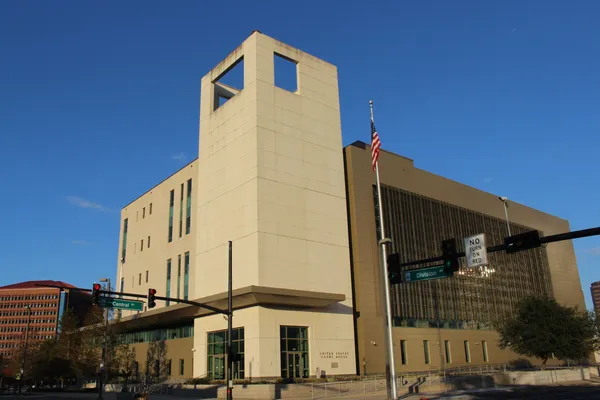
Key ruling in Orlando federal court
A federal judge in Orlando ordered a freeze on a wide array of luxury assets tied to Christopher Alexander Delgado, a Central Florida man accused in a federal case of running a large-scale cryptocurrency investment fraud scheme. The order bars the sale or transfer of items prosecutors identified as potentially connected to alleged wire fraud and money laundering.
The decision came after prosecutors asked the court to require Delgado to surrender property as a condition of remaining free before trial. While Delgado and his defense signaled they did not oppose prosecutors’ request to secure the items, the judge declined to mandate immediate surrender and instead issued an order preventing any disposition of the listed assets while the case proceeds.
Why the Iran conflict became relevant to an Orlando asset dispute
In court, the judge raised practical concerns about executing a surrender order for property located outside the United States, including assets in Dubai, where the company at the center of the case maintained an office. The judge cited the operational difficulty of taking custody of items abroad amid heightened regional instability linked to the Iran conflict and related security disruptions affecting U.S. diplomatic operations in the area.
The judge also questioned whether the court had sufficient authority at this stage to compel broad surrender of assets that, according to the prosecutors’ list, were not all held solely in Delgado’s name and included property registered to the company and certain family members.
Assets at issue: watches, exotic vehicles, and other high-value property
Prosecutors presented a detailed list spanning numerous high-end items, including a collection of ultra-expensive watches and multiple luxury vehicles. The inventory discussed in court included brands commonly associated with six-figure valuations and cars in the super-luxury segment.
Prosecutors argued that securing these assets was necessary for two reasons:
- to preserve potential evidence relevant to money-laundering allegations, including the tracing of purchases to business funds;
- to reduce the risk that items could be moved, sold, or concealed while the criminal case is pending.
What the government alleges
Federal authorities allege Delgado, 34, of Apopka, led Goliath Ventures—formerly known as Gen-Z Venture Firm—and operated it as a Ponzi-style scheme from January 2023 through January 2026. Investigators allege that investors were promised monthly returns linked to cryptocurrency “liquidity pools,” and that incoming funds were used to pay earlier participants and finance a lavish lifestyle.
What happens next
Delgado has not entered a plea. The asset-freeze order is designed to hold the status quo while prosecutors pursue their case and while the court addresses, later in the process, whether any property should be forfeited or otherwise taken into custody. The case continues in federal court in Orlando.
The freeze prohibits selling or transferring the listed assets, but does not require immediate surrender of the items to prosecutors.