Central Florida cold snaps push farms into overnight freeze protection, raising crop-loss and cost concerns
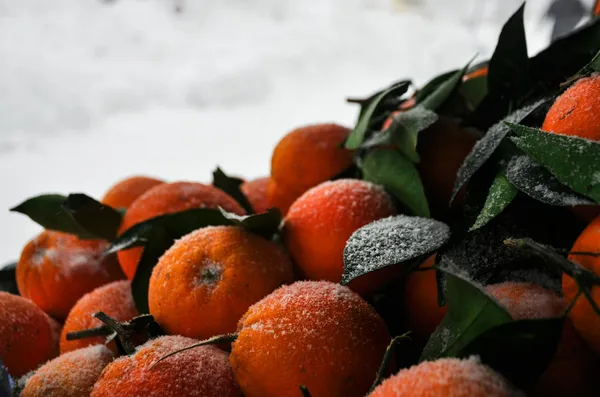
Record lows and prolonged freeze conditions pressure winter harvests
A stretch of unusually cold weather across Central Florida has forced growers to take emergency steps to protect winter crops, with some farms reporting significant losses after multiple nights of freezing temperatures. The cold outbreak delivered record-setting lows across several official observation sites in the region on February 1, including 24°F in Orlando and 23°F in nearby locations such as Leesburg and Sanford.
For farms in Lake and surrounding counties, the timing has been especially challenging because it coincides with peak activity for u-pick and winter production cycles. Overnight freezes can damage blossoms and fruit, reduce yields, and interrupt agritourism operations that depend on weekend crowds and seasonal events.
What farmers are doing: irrigation, coverings, and round-the-clock monitoring
At farms growing strawberries, blueberries, and ornamental crops such as sunflowers, crews have been staging around the clock for cold protection. One common method has been overhead irrigation, in which sprinklers are activated as temperatures approach the freezing point. As water turns to ice, it releases heat that can help keep plant tissue near 32°F when the system is properly maintained and run continuously until temperatures rise.
University of Florida crop guidance indicates that strawberry flowers and fruit can begin to sustain damage around 30°F, and that sprinkler irrigation is a standard freeze-protection method, with operational details depending on whether a freeze is calm (radiational) or windy (advective).
- Overhead irrigation to protect sensitive blooms and fruit during sub-freezing hours
- Row covers, frost cloth, and low tunnels to trap daytime heat and reduce overnight exposure
- On-site staffing overnight to keep pumps running, monitor temperatures, and prevent equipment failures
Early impacts: revenue losses and higher operating costs
After consecutive freezing nights, at least one Central Florida family farm reported that crop and related business disruptions could reduce annual farm revenue by about 35%. Beyond direct crop impacts, growers face higher labor costs from overnight shifts, increased fuel and electricity use for pumping water, and potential damage to irrigation infrastructure in prolonged cold.
Cold protection can prevent catastrophic crop loss, but it also increases labor needs and operating expenses, particularly when freezes persist for several nights.
Broader agricultural context: a sector already under strain
The cold snaps arrive as Florida agriculture continues to navigate elevated risk from recent years’ extreme weather. Federal and state programs have expanded disaster-recovery support for Florida producers tied to prior hurricane impacts, including funding designed to address infrastructure losses and market disruptions. While those programs are not specific to this freeze event, they underscore the broader volatility confronting growers.
With additional cold nights possible in early February, farms across Central Florida are preparing for continued protective measures while assessing damage, scheduling replanting where needed, and managing expected gaps in harvest timing that can affect local supply and on-farm business activity.