Casselberry and FDOT plan safety upgrades to make SR 436 crossings safer for pedestrians, cyclists
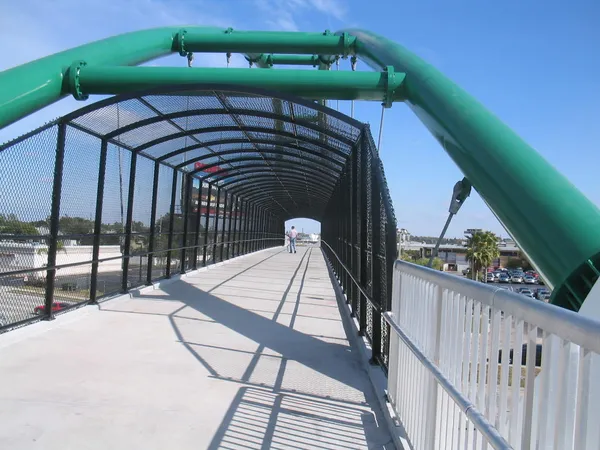
A corridor built for traffic, facing growing pressure for safer crossings
Casselberry is advancing a set of safety proposals aimed at making a busy section of State Road 436 easier to cross on foot and by bicycle, as the city and transportation planners prepare for resurfacing work scheduled to move forward in 2026.
The state resurfacing project covers roughly 2.1 miles of SR 436 (Semoran Boulevard) from Lake Howell Road to the Orange County line. The core scope is pavement rehabilitation, paired with pedestrian crosswalk upgrades and curb-ramp reconstruction where needed to meet current Americans with Disabilities Act standards. The design phase is underway, with the project set for letting on April 7, 2026, and a construction estimate of $6.8 million.
City-requested safety changes focus on crossing design and driver behavior
Beyond the resurfacing and ADA-related work, Casselberry has requested additional safety enhancements and is working toward a funding agreement to pay for those added elements. One option previously presented publicly involves a pedestrian-activated traffic signal at Chicory Lane, combined with changes to the median configuration intended to create a more controlled crossing point for people walking and biking.
Separately from the state-led resurfacing scope, Casselberry commissioners have discussed a broader SR 436 improvement strategy framed around the city’s Vision Zero approach, which sets long-term targets to reduce traffic deaths and severe injuries. In public meetings, city staff cited a five-year window of corridor crash data that included pedestrian fatalities, serious injuries, and hundreds of injury crashes. The city has also described the corridor as carrying more than 500 crashes over that five-year period, underscoring the scale of the safety challenge along one of the area’s most heavily used arterials.
What changes are under consideration
- Additional marked crossings at key intersections and mid-corridor locations
- Upgraded curb ramps and crosswalk markings to current accessibility standards
- Potential pedestrian-actuated signal control at targeted crossing points
- Design adjustments intended to influence vehicle speeds, including narrower travel lanes discussed as an option
Funding and timeline: what is known, and what is still being decided
While the state project has defined milestones through 2026, Casselberry’s additional enhancements depend on finalizing a funding agreement and, for larger corridor changes, determining whether to pursue outside grant funding to supplement local dollars. City discussions have included the possibility of federal grant participation for a multi-million-dollar package of improvements; the ultimate schedule for expanded changes would be tied to the funding path selected and subsequent design and permitting steps.
Next steps center on coordinating Casselberry’s added safety elements with the resurfacing schedule so that crossing and accessibility upgrades can be delivered with less disruption and at lower overall cost than doing the work separately.
For residents who use SR 436 to access shopping centers, transit stops, and neighborhoods on both sides of the roadway, the decisions made in the coming months will shape whether the corridor’s next rebuild primarily refreshes pavement, or also significantly changes how safely people can cross it without a car.